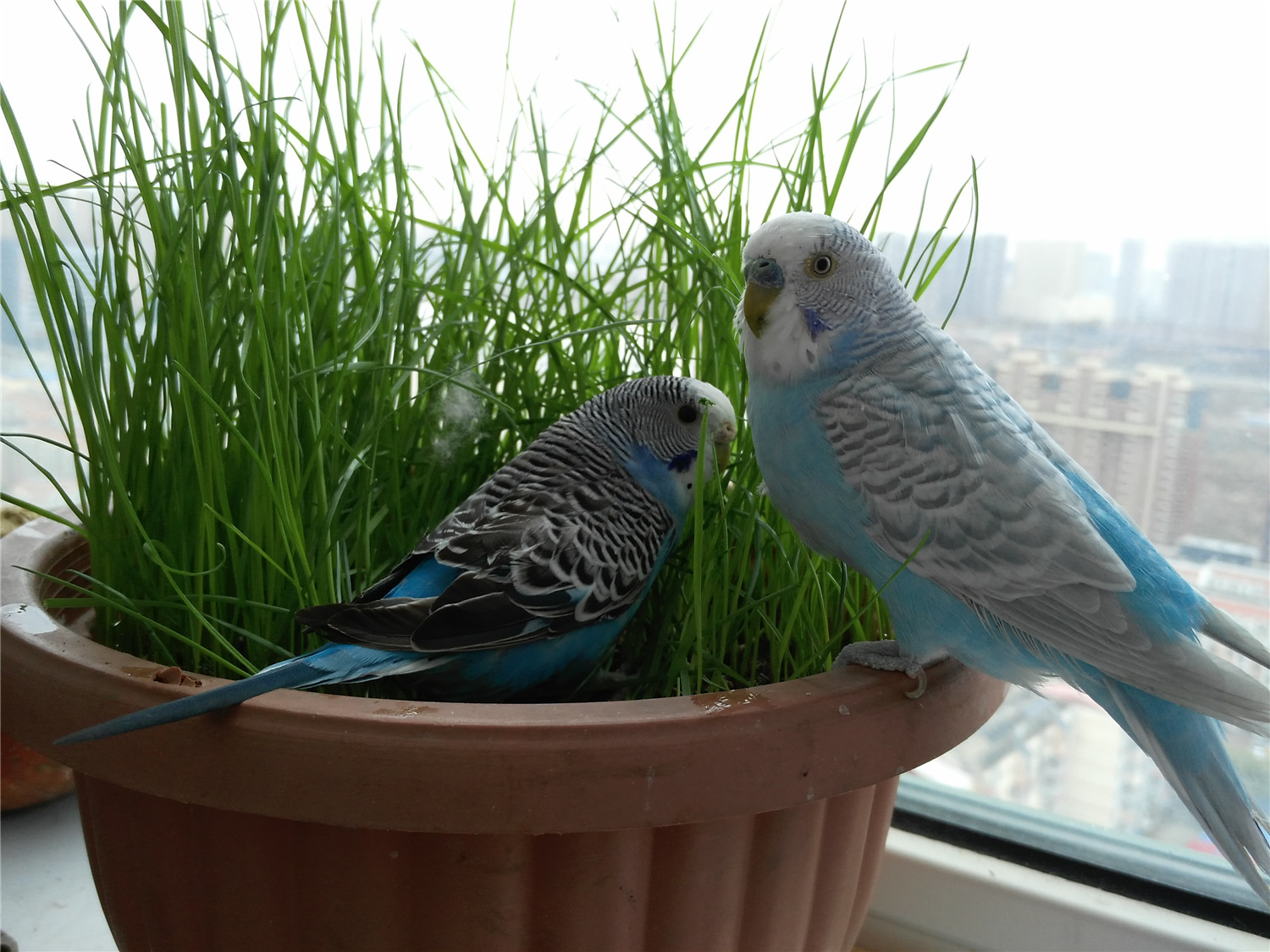


How many months of the tiger parrot, the egg hugged the nest
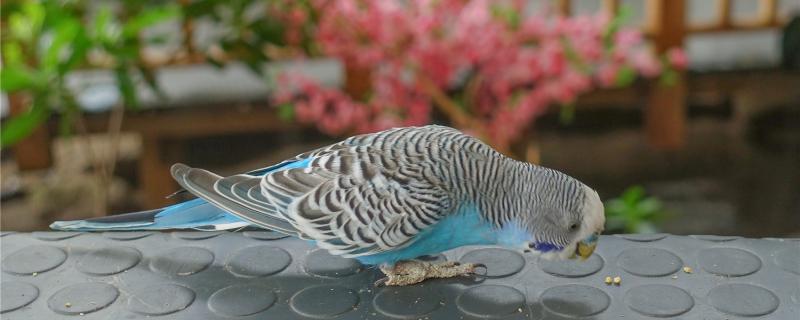
The tiger parrot can get eggs throughout the year.As long as the temperature is controlled at about 25 degrees, they may breed and produce throughout the year.After they are sexually mature, they can find the opposite sex to start pairing. After the pairing is successful, white eggs will be produced in about a week.A nest can breed and produce four to seven eggs, and the female parrot will start to incubate after the eggs.At this time, the owner must keep the environmental temperature and humidity of the environment and provide them with a comfortable incubation environment.
1. How many months of the tiger parrot will get eggs in the nest
The tiger parrot can get eggs throughout the year, and there is no fixed month.As long as the temperature and humidity are appropriate, they can make eggs and nests all year round.They will lay eggs in about a week after the pairing is successful. One nest can be used for four to seven eggs, and four to five nests can be produced a year.The female parrot will take an egg a day and start holding the nest.When holding the nest, the owner should not disturb too much, so as not to scare the female parrot.The scared female parrot is likely to give up the hatching.
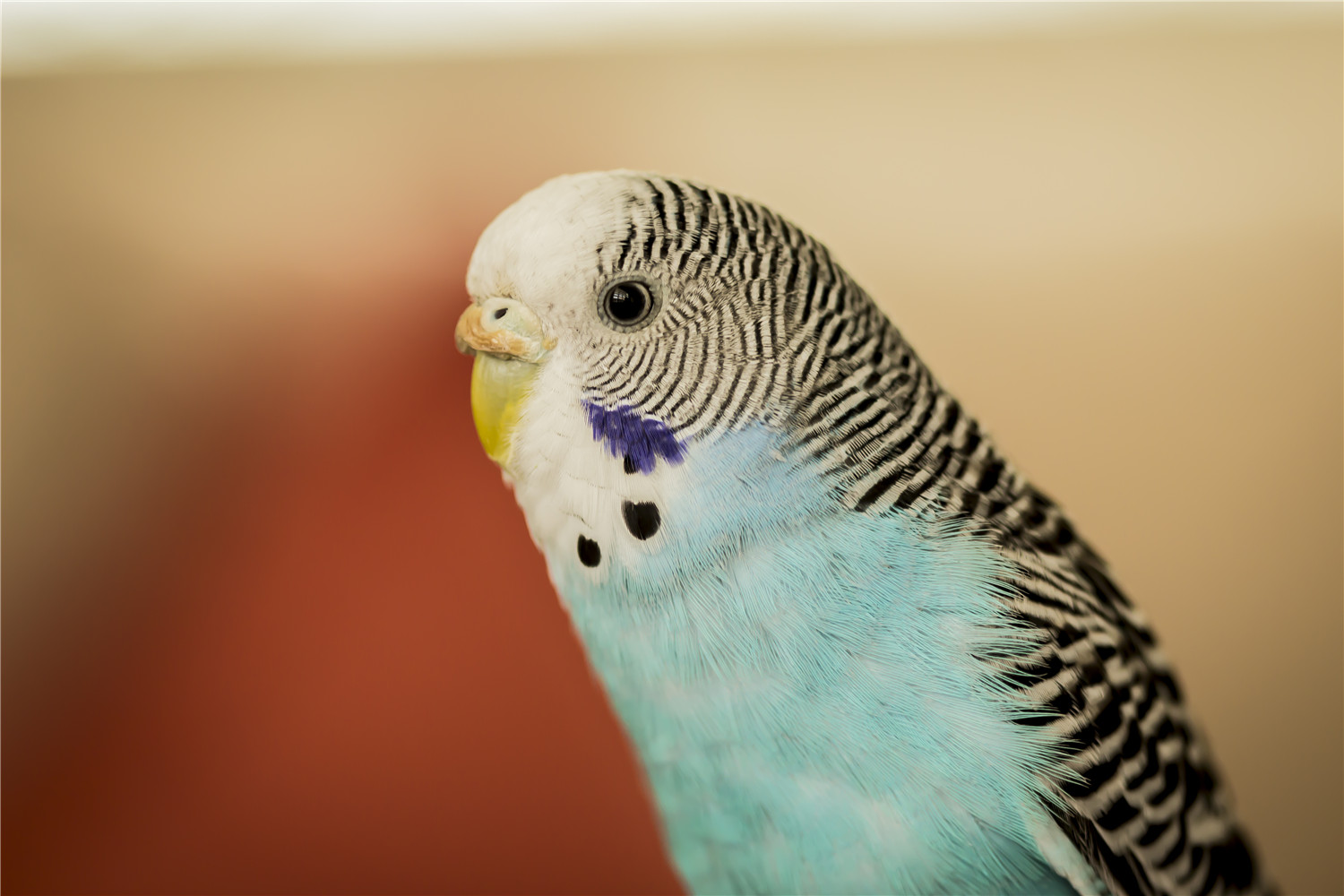
2. How to get the tiger parrot eggs to hold the nest
The tiger parrot can breed throughout the year.When they are in estrus, they can be raised in a cage.After a long time, the two of them cultivated feelings, and naturally paired.If they are not in estrus, the owner can feed them to eat some eggs and millet aphrodisiac.After they are successfully paired, they will lay their eggs.When they hold the nest, the owner should pay more attention to hygiene, and need to clean the cage house every day to avoid breeding bacteria because of the poor mess.When cleaning, try not to touch the eggs with your hands. If the smell of others is stuck on the egg, the female parrot may give up the incubation.After cleaning, they must also put their nests back to the original place, or do not move their nests when cleaning.