

Tiger Parrot's first nest is a survival rate
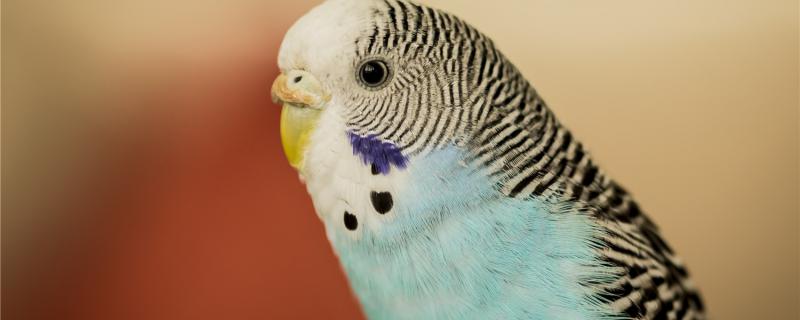
The first nest of the tiger parrot is between 30-80%and is not fixed, which is related to many factors.For example, female birds, environment, and nutrition will directly affect the survival rate.If you want to improve the survival rate of the tiger parrot, you must pay attention to the health of the mother and birds. The use of healthy female birds to breed, the survival rate of the first nest is high, and the maximum can reach about 80%.Also pay attention to providing a suitable environment for female birds and young birds, and regular inspections, which can also increase the survival rate of young birds.
1. The first nest of the tiger leather parrot
The first nest of the tiger parrot is between 30-80%and is not fixed, which is related to many factors.For example, female birds, environment, and nutritional conditions will directly affect the survival rate of tiger parrots.

2. How to improve the survival rate of the first nest of the tiger parrot
1. Take care of the mother bird
The healthy female bird has a high survival rate in the first nest and can reach about 80%.Female birds have poor constitution, and the survival rate will be reduced to 30%.Therefore, it is necessary to ensure the nutritional status of the female bird's back, and pay attention to observing the health of the mother and birds.
2. Regulate a good environment
Generally, no artificial control of temperature and cold temperature. The mother bird will hold the young bird. If the temperature is high, the female bird will reduce the young bird.But overall, summer survival rate will be higher.When encountering some weak tiger -skinned parrots, you can't take care of the young birds, and the young birds are easily frozen to death in winter.In this case, you need to warm the bird house to avoid frozen them.
3. Regular inspection
In the case of female bird feeding, the breeder should regularly check the health of the young birds, and encounters health abnormalities. Early found that early isolation treatment to avoid other healthy birds.When the health time is generally chosen in the morning, when the mother bird comes out for food, avoids the mother birds from being frightened, and the stamping causes the young bird to be injured.