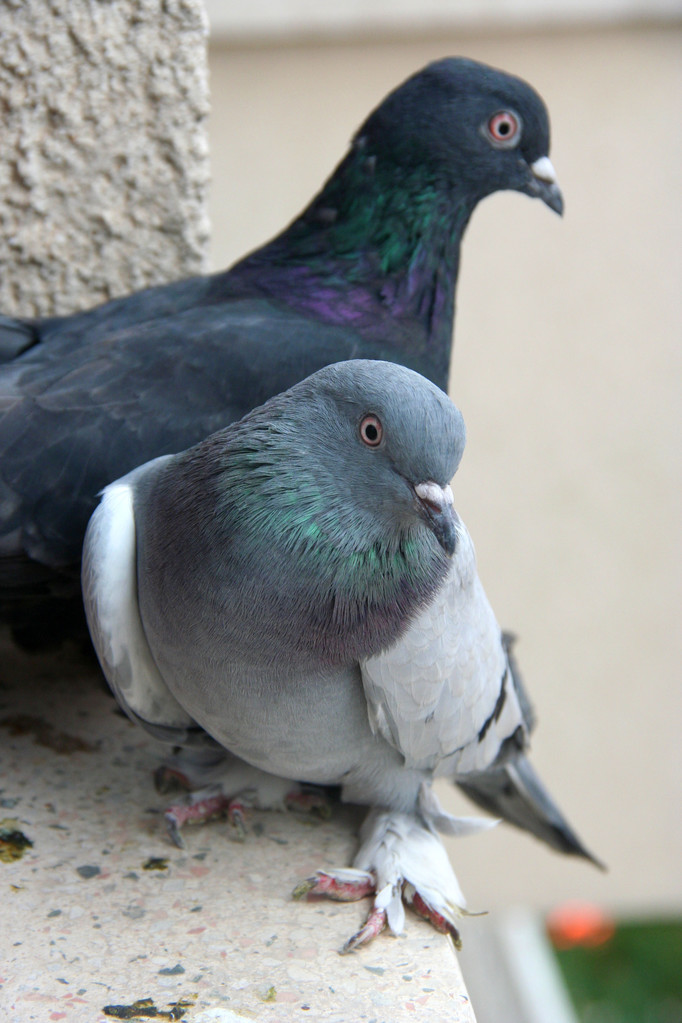


Two small pigeons out of the shells a few days later

Under normal circumstances, the two small pigeons are separated from the shell for 1-2 days.This time is basically the same as the interval between the pigeon pairing and the output time of pigeon eggs.The larger the two small pigeons, the larger the development gap between the two young pigeons will become larger, which is not conducive to the balanced development of young pigeons.False friends can use the fake egg replacement method to replace the first bird eggs. After the second bird egg is produced, the first pigeon egg is returned, and the pro -pigeons will hatch together to ensure twoOnly pigeons broke the shell at the same time.
One or two small pigeons out of the shells a few days later
There are two eggs for breeding pigeons. After hatching, two small pigeons are usually separated by 1-2 days apart.Because breeding pigeons from pairing to eggs generally take 10 days to 12 days, the egg production time of two pigeon eggs will also be 1-2 days, so the shell time of the two chicks will also be separated.This caused the first chicks to grow up when the second chick came out of the shell.When breeding young pigeons, the first one who breaks the shell will only have an advantage. If you can eat more milk, it will cause two young pigeons to appear.
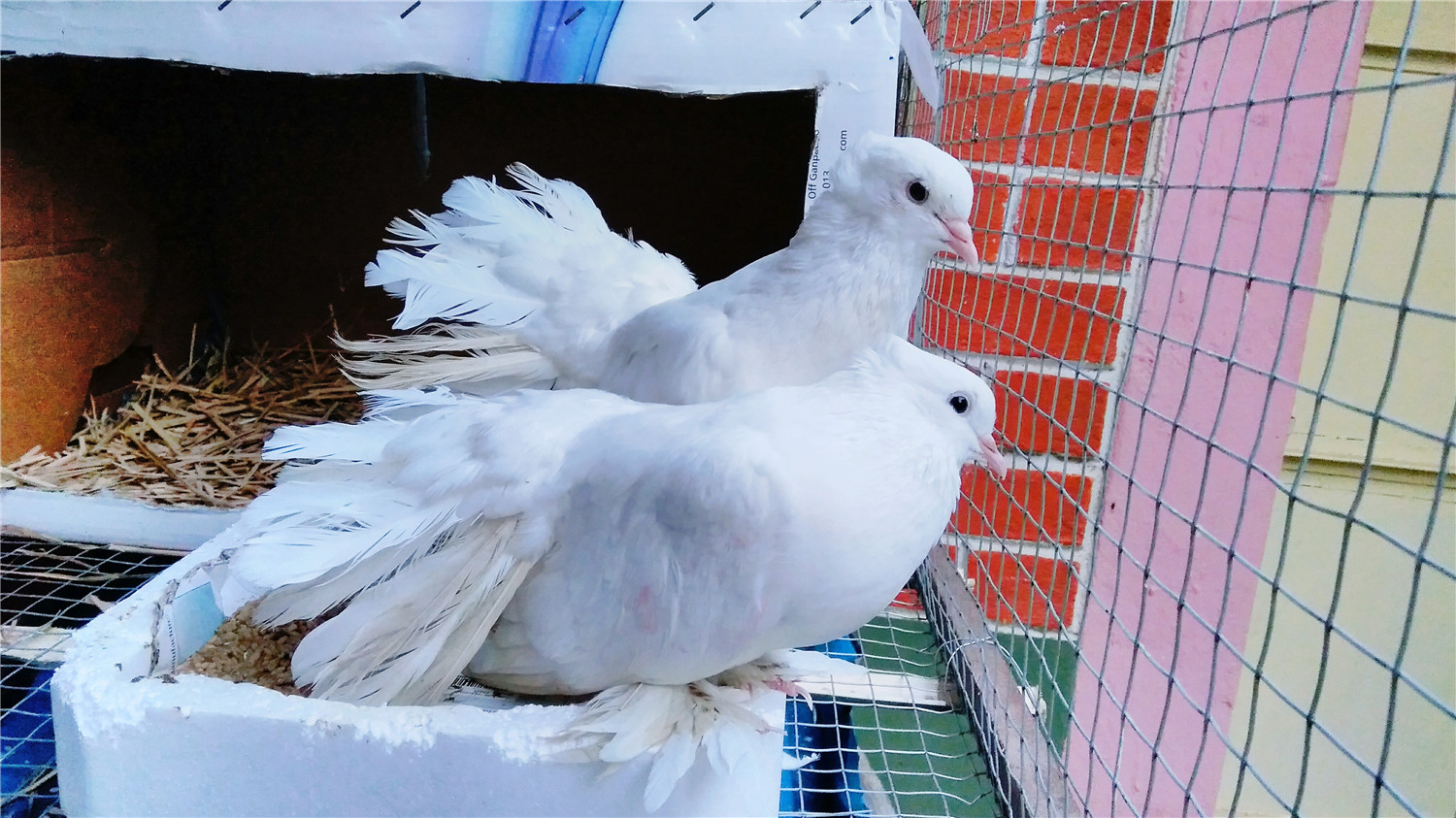
2. How to avoid the gap between the two young pigeons too large
In order to avoid two small pigeons appearing, to ensure that young pigeons can develop uniformly. When the fanciers can take the pigeon eggs out of the first egg under the pigeon, and the fake eggs prepared in advancePut it in the nest.When the pigeon is produced in the second egg, put the first pigeon egg back into the nest and replace it into the previous fake eggs.In this way, after the incubation of about 15 days of pro -pigeons, the two young birds can basically come out of the shell at the same time.Pigeons are best marked with pencils on two pigeon eggs on the egg production period and the foot ring number of the hen pigeon, so that they can be identified in the future.