

What bugs to eat for thrush birds are best
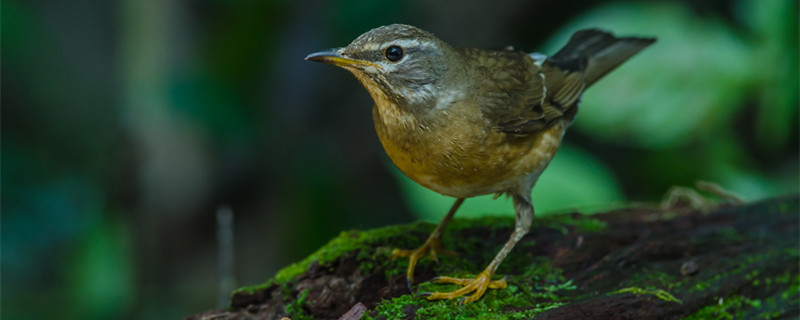
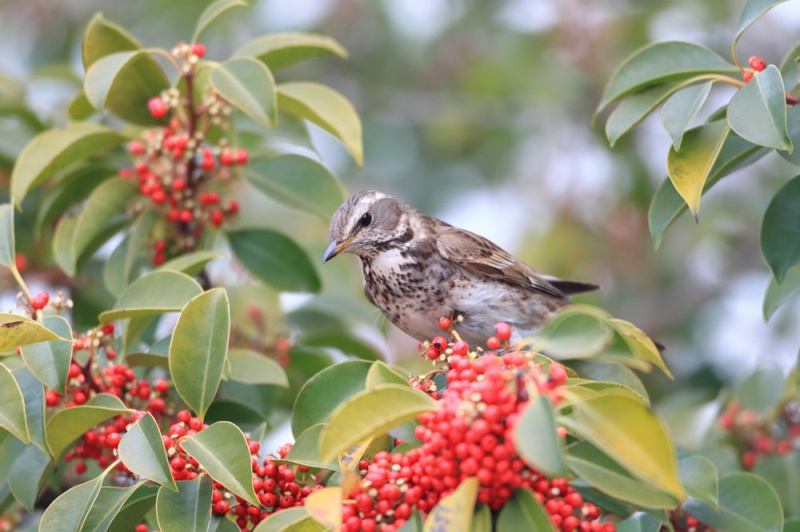
Thrush birds are best to eat live food.Thrush and birds are relatively mixed. For examples of insects, such as locusts, bread worms, oil gourds, crickets, etc., can be fed to it.Among them, bread worms are a better ingredient.Bread insects are rich in various nutrients, which can help painting birds to better survive the feather change period and reproduction period.The reason why the thrush bird likes to eat insects is because insects can be pecked a little bit, and because insects contain more nutrition.
1. What bugs to eat for thrush birds are best
Thrush birds prefer to eat live foods, such as locusts, bread worms, oil gourds, crickets, and so on.Living food can make it pecking a little bit, not so boring, and the protein content of insects is relatively high, so the thrush bird likes to eat.The better food for thrush birds is bread worms because it is rich in protein.Feeding eyebrow birds to eat bread bugs can help the eyebrow birds better through the feather change period and reproduction period.
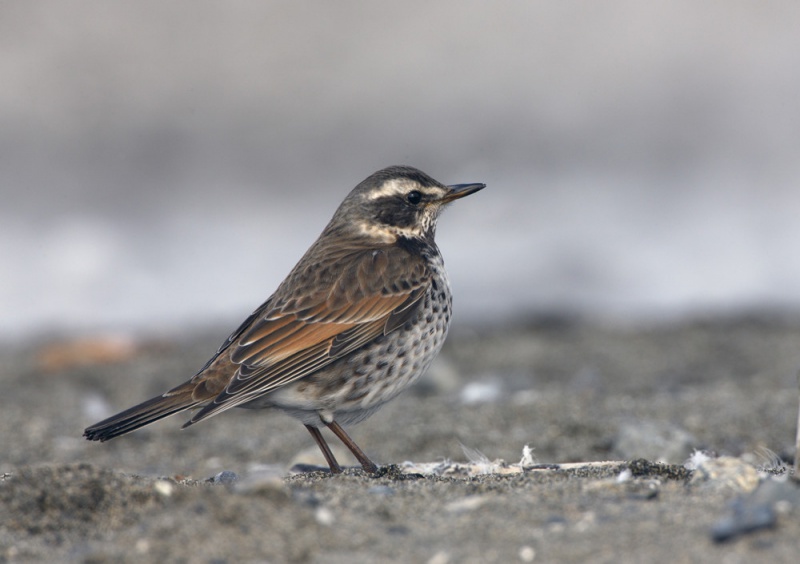
2. Precautions for feeding thrush birds
(1) Feed regularly and quantitatively every day. It is recommended to feed three times a day. Feed once a fixed time in the morning, middle and evening, and start from about seven in the morning.
(2) The drinking water of the thrush bird cannot be broken. The best water for it is mountain spring or some groundwater.If there is bleach in the water, you must change the water.
(3) Pay attention to the feed component appropriately with the specific physical condition of the season or the thrush bird.For example, in the feather change period, you can use corn egg yolk; in winter, some foods such as bread insects and peanuts should be added to the supplementary food to help it cool the winter.
(4) Be sure to pay attention to the freshness of the feed.The owner should avoid feeding moldy feed to thrush birds to avoid causing lesions.
(5) The food of the thrush bird should not be too single. We must maintain a balanced nutrition and avoid affecting its normal development or reproduction.